
comfortable andHave you noticed that your newly purchased cat beds, while seemingly clean and comfortable, and your cat seemingly enjoying them, develop a faint, indescribable odor after a few days? It’s not your cat’s “exclusive smell,” but rather a subtle odor from the bed itself or the surrounding environment. Don’t worry, this doesn’t mean the bed is broken; it simply reminds us that we haven’t missed anything in our cleaning and deodorizing efforts. This article will share some natural and safe ways to keep your cat beds fresh and comfortable, allowing your cat to enjoy resting there while you use them with peace of mind.
Why do cat beds tend to develop unpleasant odors?
The materials and structure of cat beds are easy to accumulate.
Cats roll around, curl up, and stretch out on their beds every day, sometimes leaving behind saliva or occasionally vomiting a little. Hair, dander, and moisture can all accumulate in the fibers of cat beds. This is especially true for plush, high-density fiber, or burrow-type cat beds; while they may look comfortable, they easily trap dirt and grime.
A tip: lightly sprinkle baking soda on the bed surface and then vacuum it up; this often immediately reduces odors.
Urine stains, dampness and bacteria
If your cat occasionally marks its territory near the bed, or if your home is humid and poorly ventilated, the bedding can easily become damp, leading to the growth of bacteria and mold. The ammonia in cat urine decomposes and produces a pungent odor; if not addressed promptly, the smell will only worsen.
Infrequent or improper cleaning methods
Many owners think that simply putting their cats in the washing machine is enough, but in reality, if they don’t remove the fur and vacuum first before machine washing or air drying, the odor problem will still reappear. Letting cats use a semi-dry bed can also worsen the odor.

Natural cleaning and deodorizing cat beds that can be placed on the floor.
Below is a practical method that, if followed step-by-step, can make your cat beds look brand new.
Step 1: Pre-cleaning (removing hair and dust)
- Move the bed to a well-ventilated area or outdoors, and gently pat and shake it to remove loose hair and dust.
- Use a handheld vacuum cleaner or crevice tool to clean folds and seams thoroughly. It is recommended to perform a pre-cleaning at least once a week.
- Lint rollers or tape can quickly remove surface hair.
Tip: In small apartments, pre-cleaning can significantly reduce odor buildup.
Step 2: Treat stains/urine stains
(1:1),”If there are obvious stains or urine stains, do not rush to machine wash. Spray with an enzyme cleaner or “white vinegar + water (1:1)”, let it sit for 10-15 minutes, and then wipe with a damp cloth.
Note: Do not use chlorine-containing bleach, as chlorides combine with ammonia in urine to produce harmful gases.
Step 3: Machine wash/air dry
- Check the bedding label to confirm if it is machine washable. Wash the removable outer cover and inner mattress together with a pet-friendly shampoo in cold or warm water.
- Add half a cup of baking soda to your laundry routine or 1 cup of white vinegar to the final rinse to help neutralize odors.
- After washing, air dry in the sun or tumble dry on a low heat. Ultraviolet light naturally kills bacteria and removes odors, making it the safest method.
Step 4: Daytime skincare (skincare even on days you don’t wash your face)
- Clean the cat bed and surrounding area with a vacuum cleaner or lint roller at least once a week. Hair, dander, and dust buildup are sources of odor.
- Sprinkle a thin layer of baking soda on the bed, leave it for 30 minutes to several hours, and then clean it with a vacuum cleaner.
- Keep the bed in a well-ventilated and dry location, and open windows or use dehumidifiers regularly if necessary.
- Encourage your cat to use the bed: You can first lay out a familiar blanket or clothing so that your cat can feel the familiar scent.
Step 5: Reduce odor when purchasing cat beds
- Prioritize styles that are removable and washable, have removable covers, and are easy to clean.
- Avoid materials that absorb lint and moisture and are difficult to dry.
- For small apartments or homes with poor ventilation, choosing a bed that is of moderate size, breathable, and placed against a wall or window will make it easier for the skin to dry.
- When choosing a product, consider ease of cleaning and deodorizing ability; these are more practical than simply pursuing aesthetics.
Recommended practical tips for choosing cat beds
purchasing cat beds, you can refer to the following guidelines:
- Thick pad type: Suitable for cats that like to stretch out, relatively easy to clean but larger in size.
- Rise-up suspended type: Suitable for rooms with limited space or poor ventilation, with good air permeability.
- Simple mat design: moderate size, easy to remove and wash.
- Hand-woven style: It looks beautiful, but it needs to be disassembled for washing, which is a bit troublesome.
- Slide-in style: Classic design, highly acceptable to cats.
- Creative design: Suitable for cats that combine a stylish look with easy-to-clean materials.
When choosing cat beds, consider your cat’s habits, available space, material, and ease of cleaning. Cat beds that are easy to clean and maintain will provide a better user experience and are more hygienic.
Common Misconceptions and Avoidances Regarding Cat Beds
- Simply masking the smell with fragrance: Fragrance can only temporarily cover up the problem; some scents may irritate the cat and cause it to refuse to sleep on the bed.
- Not completely dried after washing: A semi-damp bed will worsen the odor and may also breed mold.
- Ignoring the surrounding environment of the bed: corners, floors, and poor ventilation can also affect the overall smell.
- Treating cat urine with chlorine bleach: Chlorine can combine with ammonia in urine to produce harmful gases and may cause the cat to remark itself.
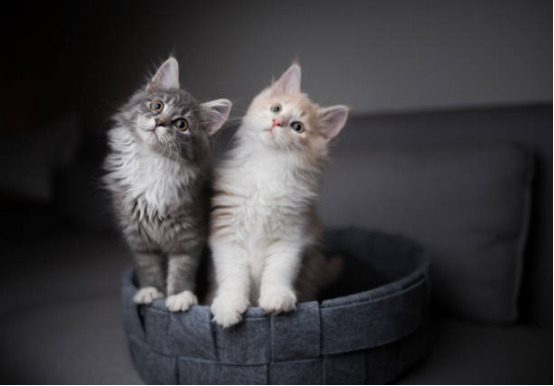
Summary: Make cat beds a refreshing corner
Cleaning cat beds is not just about making them look clean; it’s also about the quality of the cat’s rest, the air quality, and the comfort of the space.
Unpleasant odors are not unique to cats; rather, they are a sign that the cleaning, materials, and environmental processes are not properly maintained.
By pre-cleaning, stain removal, machine washing/air drying, regular maintenance, and making informed purchases, this process can restore your cat bed to its “freshness.”
Choosing cat beds that are easy to clean, made of high-quality materials, and suitable for your space will benefit your cat, your home environment, and you.
Don’t forget: a comfortable cat means peace of mind for you. A well-odor-free cat bed environment is the beginning of a more harmonious home and a more relaxed cat.