
introduction
If you already have carpet in your home, you might wonder, “Do I still need cat beds?” At first glance, a thick carpet seems soft and warm enough for your cat to rest in. But cats aren’t simply animals for whom “soft cloth is enough.” They have a unique sense of territory, a preference for height, and a need for a sense of being enveloped. Even a soft carpet may not meet all their needs. This article will delve into the differences between cat beds and carpets, combining feline behavior and real-life scenarios to help you determine if you need extra supplies, and provide placement and selection tips.
Table of Contents
I. Unique Advantages of Cat Beds
1. Provides a sense of personal territory
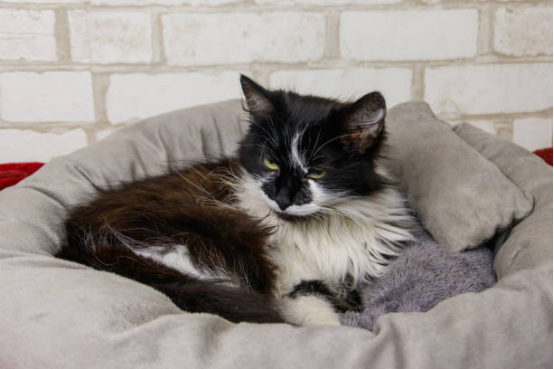
Cats naturally prefer resting spaces with clearly defined boundaries; this “nest-like” feeling makes them feel safe. Compared to carpets, the edges or semi-enclosed design of beds make cats feel more secure when curled up or half-lying down.
- Actual observation: Many cats like to press their bodies against the edge of the bed or even their heads against the wall, a behavior that is difficult to achieve on a carpet.
- Recommendation: Choose a corner with soft edges or a semi-enclosed design so that your cat has “its own little corner.”
2. Better warmth retention
Thick carpets do provide some insulation, but they usually contain filling or a fleece layer, making them even warmer. Especially in winter or air-conditioned environments, cats are more comfortable curled up in cat beds and more likely to fall into a deep sleep.
Practical tip: Choose a thicker or plush-lined mattress for your cat if it gets cold easily or is older to increase its warmth.
3. Easier to clean
Carpets are troublesome to clean, and cat hair can easily seep into the fibers. Cat beds, on the other hand, are removable and washable, making cleaning much easier.
- Hair gathers on the bed, reducing dust in the home.
- Removable and washable bedding covers help keep your cat’s resting environment clean.
- If your cat occasionally experiences minor incontinence or vomiting, cleaning the bedding area is much easier than cleaning the entire carpet.
Tip: Even if you have thick carpets at home, placing one or two can still reduce the cleaning burden, especially in multi-cat households.

II. Analysis of the advantages and disadvantages of carpets
1. Advantages
- Soft cushioning: Carpets can reduce the impact of a cat jumping and landing.
- Anti-slip: Makes cats more stable when running and jumping.
- Localized insulation: Thick carpets can also provide some warmth in winter.
2. Disadvantages
- Lack of privacy: Without boundaries or enclosure, cats lack their own territory.
- Difficult to clean: Cat hair and dust easily seep into the fibers.
- Insufficient support: Cats with joint problems or older cats may need mattress support, which a carpet cannot provide.
In summary, while carpets are comfortable, they cannot completely replace cat beds. Especially for multi-cat households or cats that require support, cat beds still have their value.
III. Cat Beds vs. Carpets: Cat Behavior Observation
A cat’s resting preferences directly influence the choice of bedding:
- Curling type: Prefers to sleep curled up in a ball shape, with a preference for edges or semi-enclosed spaces.
- Semi-reclining type: Sleep with your body stretched out; you can rest on a soft carpet.
- High-view cats: They prefer to observe their surroundings from a high vantage point, and a cat bed is more suitable for them than a flat carpet.
Conclusion: Even with soft carpets, cat beds still meet cats’ requirements for privacy and comfort.
IV. Practical Arrangement Suggestions
1. Single-cat households
- Place one or two beds in the carpeted area
- Choose a warm, private corner, such as against a wall or by a window.
2. Multi-cat households
- Multiple locations are provided to ensure each cat has its own independent territory.
- Carpets serve as a buffer or activity area, while cat beds provide a dedicated resting area.
3. Special needs of cats
- Senior cats or cats with joint problems: A thick, slightly firm mattress is more suitable.
- Cats that are sensitive to cold: Choose plush or thicker filling.
Friendly reminder: Observe your cat’s usage habits before deciding on the number and placement.
V. Tips for Choosing Cat Beds
- Suitable size: There is enough space for the cat to curl up or lie down.
- Comfortable materials: filled with fleece, cotton, or plush.
- Easy to clean: removable and washable sheets or waterproof design.
- Safety: Avoid loose small objects or easily swallowed decorations.
Tip: Even if you have carpet at home, you can choose lightweight cat beds, which are easy to move and clean.
VI. Practical Tips
- Clean regularly and maintain environmental hygiene.
- Avoid small parts or decorations to prevent cats from accidentally ingesting them.
- Adjust the bed shape or filling thickness according to the cat’s preference.
- You can change the bedsheets according to the season, such as using breathable material in summer and thick fleece material in winter.
A side note: Many owners have noticed that their cats like to “step on” or scratch the bed. Choosing durable materials and reinforced edges can extend the lifespan of the bed.
VII. Conclusion
Carpets don’t mean they can be completely replaced. Cat beds offer privacy, warmth, comfort, and ease of cleaning—things that carpets can’t fully provide.
- For single-cat households: one or two beds are sufficient.
- Multi-cat households: Allocate cats reasonably to ensure each cat has its own territory.
- Special needs cats: Choose the appropriate bedding type based on age, size, and health condition.
carpets and cat beds not only meet the diverse needs of cats but also facilitate household management, making their lives more comfortable. Cat beds are not just “extra soft cushions”; they are a cat’s exclusive corner, a symbol of comfort and security.