
As your cat ages, you might notice subtle changes—like suddenly forgetting their usual route to the door or getting lost in familiar areas. This is Feline Cognitive Dysfunction Syndrome (FCD), similar to Alzheimer’s disease in humans. It typically occurs in cats over 10 years old and may show signs of memory loss, unusual behavior, or disorientation.
In these situations, cats may neglect their bed-cleaning habits, allowing odors and small amounts of bacteria to accumulate. Frequent cleaning can also disrupt their attachment to familiar scents, causing them to feel uneasy or even anxious. Therefore, finding the right way to keep cat beds clean without frequent cleaning, while also ensuring their comfort, becomes a subtle art form.
Senior Cat Bedding Care: Maintaining Comfort Without Frequent Cleaning
1. Choose cat beds suitable for senior cats
When choosing cat beds for older cats, comfort and safety should be prioritized. For example, memory foam mattresses can relieve joint pressure, making it easier for cats to turn over or rest.
Also, make sure the bedding is easy to clean and avoid materials that easily absorb hair or debris. A removable mattress and cover will greatly reduce the burden of cleaning and allow for regular deep-conditioning. For older cats, this thoughtful touch can really make them feel safe.
2. Clean your bed regularly, but not too often
Even if you don’t clean cat beds frequently, regular cleaning is still necessary. We recommend using a weekly vacuum cleaner to gently remove hair and dust from the surface of your cat beds. For corners and crevices, use a lint roller or a damp cloth to gently wipe.
Occasionally exposing the bedding to sunlight can also help kill bacteria and reduce odors. This may seem like a simple step, but for older cats, the familiar smell and warmth of their bedding can be comforting.
3. Use pet-specific cleaners
When cleaning is necessary, it’s important to use a pet-specific cleaner. Avoid strongly scented or harsh chemical cleaners, which can cause respiratory irritation or anxiety. Enzymatic cleaners are a good option, as they effectively break down odor sources without disrupting the bedding’s “smell memory.”
4. Keep the surrounding environment clean
Cat beds aren’t the only area that requires attention. The surrounding environment also impacts a senior cat’s comfort. Keeping their play area clean, well-ventilated, and free of moisture will help reduce the growth of bacteria and mold. Also, keep your cat’s food and water clean to avoid debris that can cause discomfort.
5. Pay attention to changes in your cat’s behavior
Older cats may experience minor behavioral changes, such as decreased appetite, decreased activity, or frequent calling. It’s important to monitor these signs, as they may indicate cognitive decline or other health issues. If you notice any abnormalities, consulting your veterinarian promptly can prevent minor issues from becoming major problems.
Care Tips for Cats with Cognitive Decline
1. Maintain a stable living environment
Elderly cats are particularly sensitive to changes in their environment. Frequently moving furniture or relocating bedding can cause them to feel lost or even uneasy. Maintaining a stable living environment is an important way to help cats feel safe.
2. Provide rich sensory stimulation
Although cognitive function may decline, appropriate sensory stimulation can still help keep them active. Providing cats with toys of different textures, occasionally changing the position of cat beds, or playing soft music can keep them interested and active without causing excessive stress.
3. Regular health checkups
Older cats are more prone to health issues like arthritis and kidney disease. Regular veterinary checkups can help identify and address potential problems, improving your cat’s quality of life and giving you peace of mind.
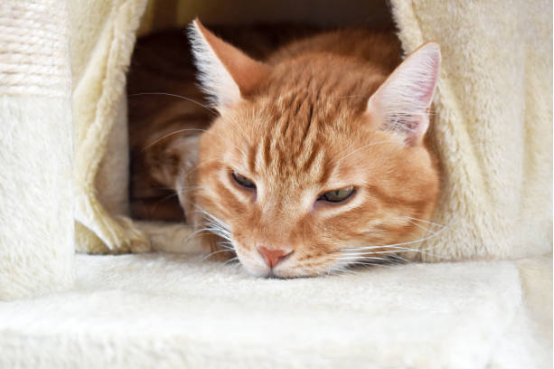
Summary: Make cat beds a safe haven for elderly cats
Providing a comfortable and clean resting environment for elderly cats is a way to show care for them in their later years. Without having to clean cat beds frequently, you can maintain comfort and cleanliness by taking the following measures:
- cats. Choose a bedding material and removable and washable cover suitable for senior cats.
- Clean hair and dust regularly and expose to the sun moderately;
- irritants. Use pet-specific cleaners to avoid chemical irritants.
- Keep the surrounding environment clean and tidy, and pay attention to food and water hygiene;
- manner. Pay attention to your cat’s behavior and detect health problems in a timely manner.
- Provide a stable living environment and moderate sensory stimulation.
These small details not only make your cat’s later life safer and more comfortable but also make you feel more relaxed and at ease during the care process.
When you see cats curled up safely on familiar cat beds, gently turning over, closing their eyes, and falling asleep, you will find that even in old age, they can still enjoy warm and safe companionship.