
A cat’s mood and behavior are influenced by a variety of factors in their environment, and you might not realize it, but color plays a subtle role. While cats’ vision differs from ours, research shows that they react differently to different hues. Choosing the right cat bed color not only makes your cat more comfortable but also subtly influences their emotional state.
1. Cats’ Color Perception and Psychological Reactions
Cats have two main types of cone cells in their retinas, which allow them to perceive the blue and green spectrum, but their ability to distinguish red and orange is relatively weak. In other words, cats tend to prefer cool colors in their vision, such as blue, green, and even a hint of purple.
However, this doesn’t mean warm colors have no effect on cats. Studies have found that cool colors are generally calming and can help relieve anxiety and stress in cats, while warm colors, such as red, orange, or yellow, may make cats appear more active and curious.
Therefore, when choosing cat beds or setting up a resting area for your cat, it’s essential to understand their perception and psychological reactions to color. After all, the comfort of a bed isn’t just determined by its material; its visual experience can also subtly influence its mood.
2. Adaptation scenarios of warm and cool tones
Warm colors: energy and excitement
Cat beds in warm colors, such as red, orange, and yellow, often give people a warm and lively feeling. For cats, these colors can stimulate their curiosity and inspire their desire to explore, making them a very suitable space for them to move around and play.
Applicable scenarios:
- Cat’s play area: Placing warm-colored cat beds or small blankets will make them more willing to jump and chase toys.
- Frequent activity areas: Placing warm-colored decorations in areas where cats frequently move around can help increase their excitement and sense of participation, making them more active.
Tip:
While warm colors can be energizing, overly bright or glaring colors can make cats anxious, especially in corners where they need to rest. It’s recommended to avoid overly strong warm colors in resting areas or use neutral tones for a soft transition.
Cool colors: calm and comfort
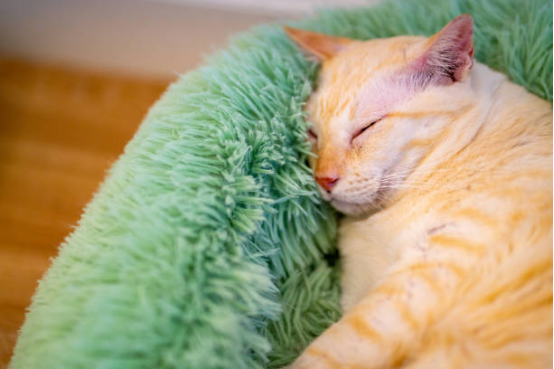
Cool colors, such as blue, green, and even soft purple, are often associated with tranquility, comfort, and relaxation. They can help cats reduce stress and calm down, making them particularly suitable for resting and sleeping areas.
Applicable scenarios:
- Cat’s resting area: Choose cool-toned cat beds or mats to help cats relax faster and improve sleep quality.
- Observation area: Cats like to sit by the window and observe the outside world. Decorating with cool colors can make them feel safe and comfortable while observing.
Tip:
While cool colors can have a calming effect, using them exclusively in an environment can make it appear too monotonous or cold. It’s recommended to add a small amount of warm or neutral tones to create a cozy yet warm environment.
3. Combine the cat’s personality and needs
Every cat has a different personality, so when choosing the color of your cat beds, you should also consider their individual personality. For example, an active cat may prefer a warm-toned environment, while a timid or anxious cat may prefer a cool-toned space.
Practical advice:
- Observe your cat’s reaction: See if they are more active or relaxed on different colored mattresses.
- Adjust gradually: You don’t have to change the entire environment color at once. You can slowly introduce new colors and observe how they adapt.
- Matching: Combine warm and cool tones with neutral tones (such as gray and beige) to enrich the visuals and maintain overall harmony.
4. Practical Application Suggestions
Choose the right color for cat beds: choose warm colors for lively cats and cool colors for quiet cats, which will better suit their living habits.
- Environmental color matching: Not only the mattress but also the surrounding colors, such as walls, curtains, and carpets, should be considered. Only by coordinating the colors of the environment and the mattress can the cat feel comfortable.
- Regular observation and adjustment: Cats’ preferences may change over time, especially as they age or their personalities change, so it is necessary to flexibly adjust the color of the mattress or the environment to ensure that they always feel comfortable.
V. Conclusion
A cat’s mood and behavior are influenced by many factors, and the color of their environment plays a significant role. By choosing the right colors for your cat beds and surroundings, you can create a space for your cat that is both comfortable and conducive to its mood.
Warm colors bring energy and excitement, while cool colors bring peace and comfort. A clever combination can give your cat both the joy of exploration and the peace of mind to rest. Every cat is unique, and finding the right color combination for them will not only improve their quality of life but also bring more warmth and joy to your cat’s home.